
The Moroccan flag,a striking combination of a red field and a green pentagram,is more than just a national symbol. It encapsulates the rich history, cultural heritage, and enduring spirit of Morocco.
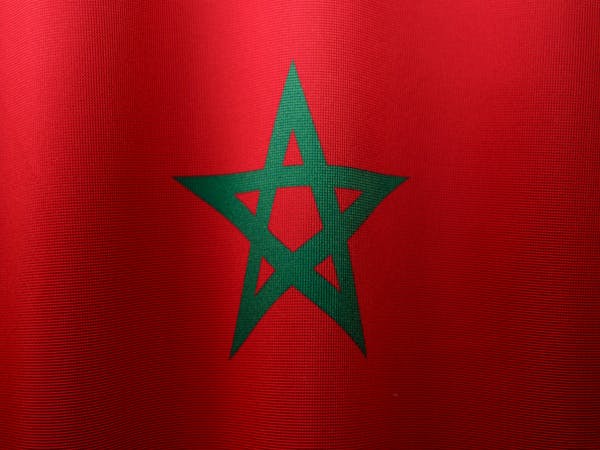
From its adoption in 1915 to its contemporary significance, the flag of Morocco has undergone a fascinating journey. Understanding the meaning behind its colors and symbols offers a window into the nation’s identity.
In this article, we’ll delve into the symbolism of the Moroccan flag. We will also explore its historical evolution and uncover the cultural significance it holds for the people of Morocco. Join us as we unravel the stories woven into this iconic banner.
What Do the Colors and Symbols of the Morocco Flag Represent?
The colors and symbols of the Morocco flag have deep significance in cultural and historical significance. The red background symbolizes the descendants of the Prophet Muhammad and the Alawite Dynasty, which has ruled Morocco since the 17th century. This vibrant hue also represents the blood shed by Moroccans in their struggle for independence. It signifies the bravery, strength, and valor of the Moroccan people.
At the heart of the flag lies the green five-pointed star, known as Solomon’s Seal. This ancient symbol represents the five pillars of Islam: faith, prayer, charity, fasting, and pilgrimage. In Moroccan culture, the pentagram is believed to bring good luck and ward off evil spirits. Thus, it is a powerful emblem of protection and unity.

The Cultural Significance of Red in Morocco
Red has been a prominent color in Moroccan culture for centuries. Associated with the ruling Alawite Dynasty, it has come to symbolize the nation’s sovereignty and resilience. The choice of red for the flag’s background pays homage to the sacrifices made by Moroccans throughout history in their fight for freedom and independence.
In Moroccan folklore, red is also linked to good fortune, joy, and celebration. From the vibrant hues of traditional Moroccan carpets, such as those offered by She&Elle of Morocco, to the intricate tilework adorning ancient palaces, red is a recurring theme in the nation’s artistic and architectural heritage.
The combination of red and green on the Moroccan flag creates a striking visual contrast. It captures the essence of the nation’s spirit,a blend of passion, devotion, and hope. These colors serve as a constant reminder of Morocco’s proud history and its unwavering commitment to preserving its cultural identity in an ever-changing world.

The Moroccan flag’s journey began with a simple, solid red banner, a design that dates back to the early rule of the country’s monarchs. This unadorned flag served as a powerful national emblem, representing the unity and continuity of Moroccan authority through the ages. However, as the need arose to distinguish Morocco’s flag from similar red flags in the region, a significant evolution in its design became necessary.
On November 17, 1915, Sultan Yusef made a pivotal change by introducing the green pentagram at the flag’s center. This addition was more than a mere design element. It symbolized Morocco’s distinct spiritual and cultural identity. The green star was chosen for its visual appeal. It also represents Morocco’s place in the Arab and Islamic worlds. It emphasized the nation’s spiritual and cultural depth.
Morocco’s Flag During the French and Spanish Protectorate Era
During the years from 1912 to 1956, Morocco found itself under the division of French and Spanish protectorates. Each power oversaw different regions. Despite these colonial influences, the flag featuring the red field and green pentagram continued to be a symbol of Moroccan identity and resilience. However, its display was predominantly restricted to inland areas.

While the flag flew inland, its presence at sea was curtailed by colonial regulations. This reflected the complex political dynamics of the era. This period of restricted use highlighted the tensions between colonial rule and Morocco’s enduring national identity. The continued presence of the flag inland served as a quiet yet powerful assertion of the Moroccan people’s spirit and determination to maintain their cultural and national heritage.
The Meaning Behind the Pentagram Symbol
Integral to the Moroccan flag is the pentagram. It is a symbol imbued with deep-rooted spiritual and historical significance. Known as the Seal of Solomon, this emblem serves as a link to Morocco’s enduring cultural identity. In Islamic tradition, the pentagram is connected to a set of core tenets. It is a symbolic representation of faith. It also represents observance and community values. These are foundational to the Moroccan way of life.
Historically, the pentagram has been known for its mystical attributes. It is often seen as a talisman that embodies protective qualities. Its presence on the flag suggests an enduring belief in the symbol’s capacity to safeguard and unite the nation. This emblematic star thus reflects the collective aspirations and shared heritage of the Moroccan people. It underscores their resilience and cultural pride.
Geometric Symbolism in Islamic Art and Architecture
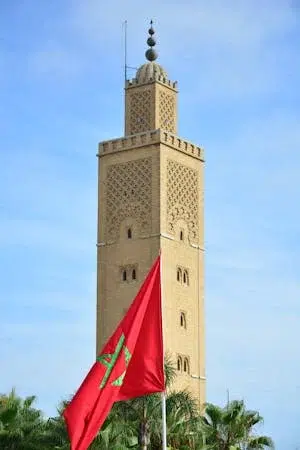
The elegance of geometric patterns in Islamic art and architecture is unmistakable. They convey profound philosophical and spiritual ideas. These designs reflect the belief in the boundless nature of the divine, symbolizing unity and interconnectedness. The pentagram stands as a prominent motif within this artistic tradition. It highlights a harmonious balance that resonates deeply within Moroccan design.
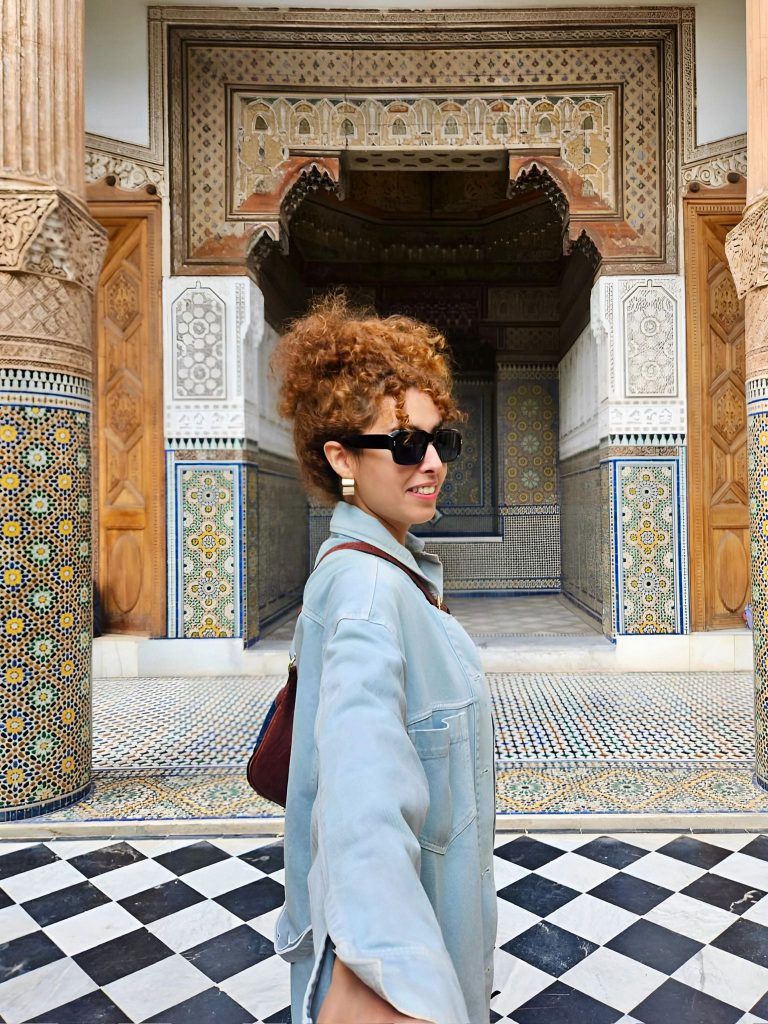
In Moroccan architecture, the pentagram is evident across various elements,from intricate mosaics in historic edifices to the delicate arabesques adorning sacred spaces. These motifs not only demonstrate the artistry of Moroccan craftsmanship but also celebrate the nation’s rich cultural tapestry. Through their enduring presence, these symbols uphold the Moroccan flag’s role. The flag serves as a testament to the nation’s spiritual and cultural legacy.
Flag Details and Specifications
The Moroccan flag’s design speaks to its unique identity with precision in its specifications. The aspect ratio of 2:3 provides a harmonious balance, suitable for various displays, be it on a national stage or international platform. The red field is a vivid Pantone 1955C. This shade embodies the vibrancy and richness of Moroccan heritage. Complementing this, the green pentagram is rendered in Pantone 349C, symbolizing life and prosperity.
Positioned with intent, the star takes center stage, drawing focus and symbolizing unity and centrality within the nation’s cultural tapestry. This deliberate placement showcases the pentagram as an emblem of enduring protection and spiritual significance. The flag’s colors, red and green, together narrate a story of Moroccan legacy and tradition through their striking contrast.
Proper Display and Usage of the Morocco Flag
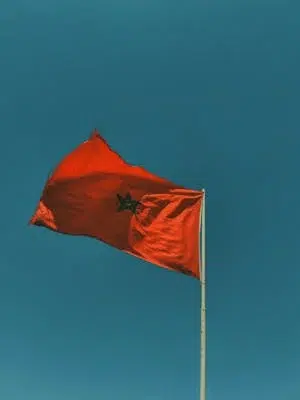
Displaying the Moroccan flag is a powerful way to honor the country’s heritage. To do this respectfully, certain traditions guide its use. For example, the flag is raised at sunrise and taken down at sunset. If displayed at night, it should always be illuminated to show respect. Keeping the flag in perfect condition is also essential. It should remain free from tears, fading, or any damage to maintain its dignity.
Additionally, the flag must never touch the ground. This simple yet important rule reflects the deep respect it holds. It also should not be used as clothing or for any purpose that might reduce its importance as a national symbol. These practices ensure the Moroccan flag remains a proud and cherished representation of the nation’s identity.
The Moroccan flag is more than just a piece of fabric. It represents the strength, culture, and history of the Moroccan people. If you’re drawn to the vibrant colors and designs that reflect Morocco’s artistic traditions, there’s much more to explore. Learn about Morocco’s journey to independence here or uncover the hidden treasures of Marrakech here.
To bring a touch of Morocco into your home, consider the beauty of handwoven Moroccan rugs. Each rug tells its own story, much like the fertility symbolism in Moroccan rugs explained here. If you’re curious why these rugs are loved worldwide, find out here.
At She&Elle of Morocco, we celebrate the stories woven into every detail,from the flag to the craftsmanship of our rugs. Let us help you bring a piece of this rich culture into your everyday life.

1 thought on “Understanding the Morocco Flag: Colors and Symbols”
Comments are closed.