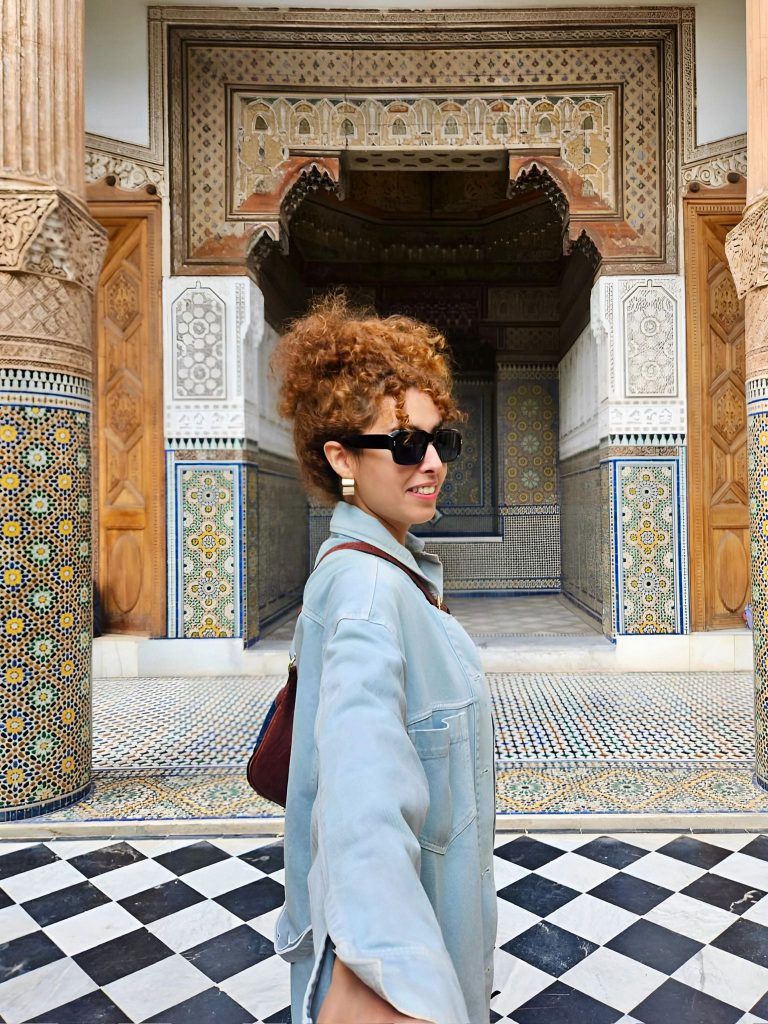
Eid Mubarak! The smell of msemen frying in butter, the sound of prayer calls echoing through morning streets, the warmth of family gathered around a table overflowing with food. Eid is a day of joy, a day of gathering, laughter, and traditions passed down through generations. It marks the end of Ramadan, a month of fasting, reflection, and self-discipline. It’s meant to be a time of togetherness.
But when you’re away from your family, especially living the expat life in Morocco or abroad, Eid carries a different weight. Not in the days leading up to it, but in the quiet moments the night before or the morning of. That’s when it sneaks up on me, every single time.
I’ve spent many Eids away from home. I’ve shared them with friends, partners, and people who tried to make it feel special. And while I’ve always appreciated that, it’s never quite the same. Because Eid isn’t just about celebration. It’s about a shared experience, one that only truly feels whole when you’re surrounded by those who lived through Ramadan with you.
What is Eid al-Fitr?
Eid al-Fitr, or the “Festival of Breaking the Fast,” is one of the two major Islamic holidays, celebrated on the first day of Shawwal, the month that follows Ramadan. It begins with a special prayer at sunrise, followed by a day filled with family visits, feasts, and acts of charity. It’s a day of gratitude for having completed a month of fasting, for the strength it took to do so, and for the blessings of food, family, and community.
In Islam, Eid isn’t just a celebration. It’s an obligation. Before the prayer, Muslims give Zakat al-Fitr, a small charity meant to ensure that even the less fortunate can partake in the joy of the day. The prayer itself is a collective one, performed in mosques or open spaces, where people of all backgrounds and social statuses stand side by side, equal in faith.
And then, the real essence of Eid begins: the gathering. In Morocco, as in many Muslim-majority countries, this means going back home, to the family house, to childhood memories, to tables overflowing with food. There is the comfort of familiar faces.
How Do Moroccans Celebrate Eid?
Eid mornings in Morocco start early. The men, and often women, dress in djellabas (flowing traditional garments) before heading out for the Eid prayer. The streets are alive with a quiet excitement, filled with the spiritual and cultural weight of the holiday.
After prayer, the real celebrations begin. Families gather, usually at the home of the eldest member, where breakfast is a feast. Msemen (layered pancakes), baghrir (spongy crepes), honey, butter, Moroccan tea, and coffee are served in a spread as abundant as it is comforting. /blog/moroccan-tea-ceremony]”>sharing a meal or simply checking in, can also be a thoughtful way to show you care.
The Reality of Celebrating Eid as a Moroccan Expat
Being away from family on Eid as a moroccan expat isn’t necessarily lonely. I’ve been surrounded by friends, by people who cared, and by invitations to gatherings. But it’s never quite the same, because it’s not just about being with people. It’s about being with the people who make Eid feel like Eid.
Well-meaning friends have suggested ways to make it feel special: “Go to a nice restaurant,” “Do something fun,” “Treat yourself.” And while I appreciate the effort, Eid doesn’t work like that. It’s not just a day off. It’s a ritual, a rhythm, a shared nostalgia that can’t be replicated. Something every expat comes to understand deeply, whether you’re navigating expat life in Morocco or experiencing Morocco from Denmark or Scandinavia.
This experience of being a cultural bridge between Morocco and other places teaches you something profound: some traditions can’t be recreated, only remembered and honored from afar.
The sound of my mother in the kitchen, fretting over whether the msemen is too dry, lingers in my mind. It’s the way my family moves seamlessly through the house, a familiar choreography built over decades of shared Eids.