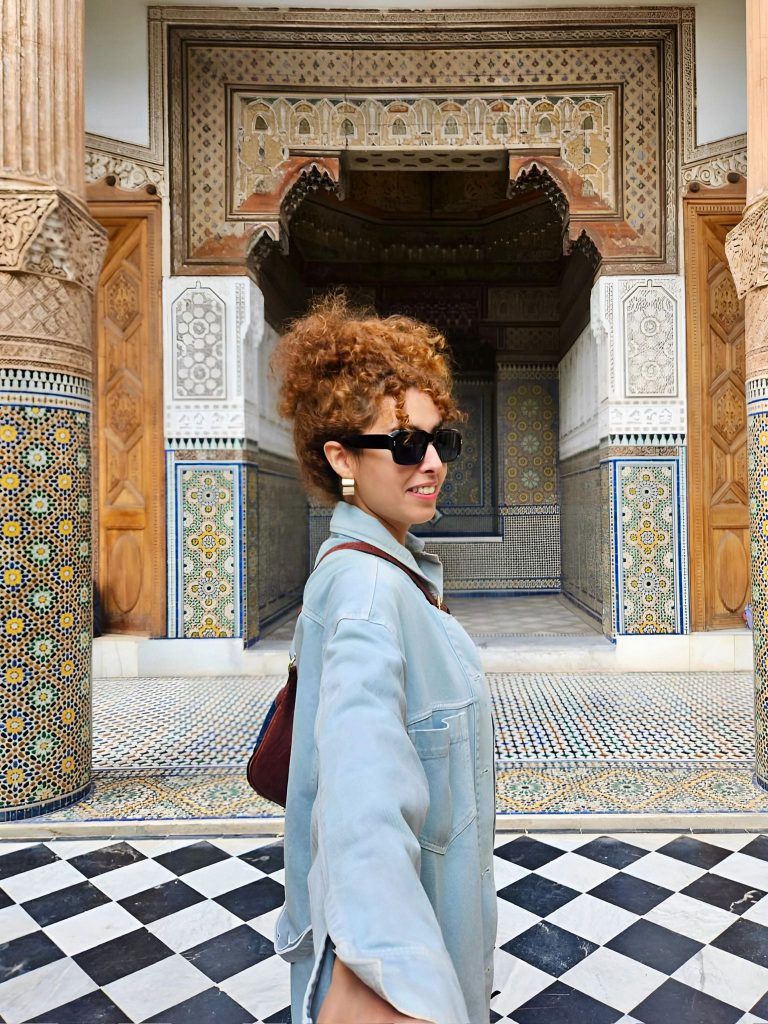
The First Time I Understood Why People Travel Morocco
Picture this: sunrise over Marrakech, the call to prayer echoing across terracotta rooftops, the scent of orange blossom and fresh mint carried on cool morning air. My first morning in Morocco felt like stepping into a living memory, one I didn’t know I carried until that moment.
Morocco, positioned at the crossroads of Africa and Europe, has drawn travelers for centuries with its intoxicating blend of ancient heritage and vibrant modern life. From bustling medinas where artisans work as their ancestors did, to serene desert expanses that humble even the most seasoned wanderer, this country offers something I’ve rarely found elsewhere: the feeling that time moves differently here. Not slower, exactly. Just richer.
If you’re planning to visit Morocco or building your Morocco travel guide, you’ve come to the right place. Let me share what makes this land so magnetic, and why it changes everyone who experiences it.
What Makes Morocco Unlike Anywhere Else
Morocco isn’t a country you simply visit. It’s one you feel, taste, hear. The story woven into every tile pattern, every copper pot, every hand-knotted rug tells of Amazigh (Berber) heritage stretching back millennia, layered with Arab, Andalusian, and even French influences. Walk through any medina and you’re walking through centuries.
Landscapes That Shift Like Dreams
One of the most striking things about travel Morocco experiences is the sheer diversity of terrain. In a single Morocco itinerary, you can touch snow in the Atlas Mountains, lose yourself in the golden silence of the Sahara, hike through cedar forests where Barbary macaques play, and dip your toes in both Atlantic and Mediterranean waters.
The Sahara alone deserves its reputation. Those dunes aren’t just sand. They’re sculptural, alive, changing with every gust of wind. I’ve watched sunrise there, and I understood why travelers return year after year. [INTERNAL_LINK: experiencing the Sahara Desert -> Morocco desert tours and experiences]
Culture You Can Touch, Taste, and Carry Home
Morocco’s culture greets you immediately. In the medinas, artisans work in centuries-old workshops, their hands moving with practiced precision as they create zellige tilework, tooled leather bags, hand-carved thuya wood boxes. The air in the souks carries layers of scent: cumin, saffron, rose water, fresh bread baking in wood-fired ovens.
And the food. Moroccan cuisine tells stories through spice blends passed down through generations. Tagines simmered slowly with preserved lemons and olives, couscous steamed until each grain is perfect, pastilla that balances sweet and savory in a way that shouldn’t work but absolutely does. [INTERNAL_LINK: Moroccan flavors -> Traditional Moroccan recipes and cooking experiences]
Seven Places and Experiences That Define Morocco Tourism
1. The Medina of Marrakech: Sensory Overload in the Best Way
This UNESCO World Heritage site is organized chaos at its finest. Navigate the narrow alleys of the souk and you’ll find stall after stall of treasures: hand-woven Berber rugs, brass lanterns that throw geometric shadows, mounds of spices in impossible shades of red, gold, and amber.
Jemaa el-Fnaa, the main square, transforms as day turns to night. Morning brings orange juice vendors and snake charmers. By evening, the entire space fills with food stalls, storytellers, musicians. The energy is electric. [INTERNAL_LINK: exploring Marrakech -> Complete guide to Marrakech’s medina and souks]
2. Chefchaouen: The Blue City That Soothes the Soul
Nestled in the Rif Mountains, Chefchaouen feels like a different world. Every building washed in shades of blue, from powder to deep indigo. The town moves at a gentler pace than other Moroccan cities. Cats doze on cobblestone steps, local women weave traditional textiles, and the mountain air carries the scent of wild herbs.
I could spend hours just wandering these blue-washed streets, getting pleasantly lost. Each turn reveals another perfect composition of color and light.
3. The Sahara Desert: Silence Like You’ve Never Known
No Morocco travel guide is complete without the Sahara. The classic experience starts with a camel trek into the dunes of Erg Chebbi or Erg Chigaga, following routes that nomadic traders used for centuries.
But here’s what surprised me: the silence. True silence is rare in our modern world, but in the deep desert, you find it. At night, under stars so dense they look like spilled salt, you understand why people have been crossing these sands for thousands of years. The desert doesn’t just fill space. It creates it. [INTERNAL_LINK: Sahara experiences -> Planning your perfect desert adventure]
Overnight stays in Berber camps offer a glimpse into traditional desert life, complete with mint tea around the fire, drumming under the stars, and sleeping in hand-woven tents.
4. Hassan II Mosque: Where Architecture Meets Ocean
Casablanca’s Hassan II Mosque stands partly over the Atlantic Ocean, its minaret reaching 210 meters into the sky. This architectural masterpiece showcases the finest Moroccan craftsmanship: intricate zellige tilework, carved cedar ceilings, marble floors that seem to ripple like water.
As one of the few mosques in Morocco open to non-Muslim visitors, it offers a rare opportunity to experience sacred Islamic architecture from the inside. The play of light through stained glass, the sound of waves beneath the prayer hall… it stays with you.
5. Fes: The Intellectual Heart
Fes el-Bali, the old medina of Fes, is the world’s largest car-free urban area and feels like stepping back in time. The University of Al Quaraouiyine, founded in 859 CE, is considered the oldest continuously operating university in the world.
The Chouara Tannery offers a fascinating (if pungent) look at leather-making methods unchanged for centuries. Workers stand in stone vats filled with natural dyes, treating hides using techniques their grandfathers taught them. The colors are incredible: saffron yellow, poppy red, mint green, deep indigo. [INTERNAL_LINK: traditional crafts -> Moroccan artisan traditions and techniques]
6. Atlas Mountains: Where Berber Culture Thrives
The Atlas Mountains stretch across Morocco, creating dramatic backdrops and sheltering traditional Berber villages that have maintained their way of life for generations. Visit villages like Imlil or Ait Benhaddou and you’ll share mint tea with locals, learn about traditional architecture built from earth and stone, and maybe even join a family meal.
These mountains are perfect for trekkers, with trails ranging from gentle valley walks to challenging multi-day treks, including North Africa’s highest peak, Mount Toubkal. The best time to visit Morocco’s mountains is spring (April-May) or fall (September-October) when temperatures are mild and wildflowers bloom.
7. The Atlantic Coast: Where Surf Meets Medina
Essaouira, a coastal gem, offers something different from inland Moroccan cities. The medina here feels more laid-back, with sea breezes cooling the white-and-blue streets. The beaches draw surfers and kiteboarders from around the world, while the port brings in fresh seafood daily.
Watch the sun set over the Atlantic while fishermen bring in their catch, seagulls wheeling overhead, the old Portuguese fortifications glowing gold in the fading light.
Experiences That Transform Your Morocco Itinerary
Hammam Rituals: Ancient Wellness Reimagined
A traditional hammam isn’t just a spa treatment. It’s a centuries-old purification ritual using natural Moroccan products like black soap, ghassoul clay from the Atlas Mountains, and pure argan oil. The experience combines heat, exfoliation, and deep relaxation in a way that leaves you feeling renewed from the inside out.
Many riads and hotels offer hammam services, but visiting a local public hammam provides a more authentic experience. [INTERNAL_LINK: Moroccan beauty rituals -> Traditional hammam and beauty practices]
Cooking Classes: Taking Morocco Home With You
Learning to make Moroccan dishes transforms how you understand the cuisine. It’s not just about following recipes. It’s about understanding the why behind each spice blend, the patience required for slow-cooked tagines, the technique for achieving fluffy couscous.
Many cooking classes start with a market tour, where you’ll learn to select the freshest vegetables, negotiate with spice merchants, and maybe try some street food along the way. Then you’ll prepare a full meal, often in a traditional home, learning family recipes passed down through generations.
Tea Culture: More Than Just a Drink
Moroccan mint tea, poured from height into small glasses, represents hospitality, friendship, and taking time to connect. The ritual of preparing and serving tea happens everywhere, from formal settings to casual encounters. When someone offers you tea, they’re offering their time, their attention, their welcome.
I’ve shared tea in Berber homes, in the back rooms of carpet shops, on rooftops overlooking the medina. Each time felt like a small gift, a moment of genuine connection.
Why Morocco Should Be Your Next Journey
Morocco offers something rare: the chance to experience a culture that has maintained its authenticity while welcoming the world. This isn’t a museum. It’s a living, breathing place where ancient crafts still matter, where family recipes still get passed down, where strangers still invite you for tea.
For travelers seeking adventure, there are mountains to climb, deserts to cross, waves to ride. For culture lovers, there are medinas to explore, artisans to meet, festivals to attend. For food enthusiasts, there are flavors to discover that you won’t find anywhere else. And for those simply wanting to slow down and experience something different, Morocco offers that too.
The country has a way of shifting your perspective. Colors seem brighter, food tastes richer, time feels more generous. You return home changed, carrying memories of golden light on ancient walls, the taste of fresh mint, the warmth of unexpected kindness.
Ready to explore more? Discover [INTERNAL_LINK: styling Moroccan décor -> 5 Creative Ways to Style Moroccan Rugs in Minimalist Spaces] or learn about [INTERNAL_LINK: ethical sourcing -> The Importance of Ethical Craftsmanship in Home Decor].
When to Visit Morocco: Timing Your Perfect Trip
The best time to visit Morocco depends on your planned itinerary and preferred climate. Spring (March-May) and fall (September-November) offer the most comfortable temperatures across the country, with mild days perfect for exploring cities and trekking mountains.
Summer (June-August) brings intense heat to inland cities and the desert, but coastal areas like Essaouira remain pleasant. Winter (December-February) can be cold in the mountains and northern cities, but it’s ideal for the Sahara, where summer temperatures can be punishing.
Consider local festivals when planning. Ramadan transforms daily rhythms, with special evening energy but limited daytime dining options. The Rose Festival in May, the Fes Festival of World Sacred Music in June, and the Marrakech International Film Festival in late fall all offer unique cultural experiences.
Bringing Morocco Home
Morocco doesn’t end when you leave. The textiles you carried home, the recipes you learned, the perspective you gained, all of it weaves into your daily life. That’s the real magic. Morocco doesn’t just give you memories. It gives you tools for living more richly, more colorfully, more connected to craft and culture and the simple pleasure of sharing tea with friends.
This ancient land at the edge of Africa continues to captivate travelers precisely because it refuses to be just one thing. It’s modern and traditional, bustling and serene, challenging and welcoming. And that complexity, that beautiful contradiction, is exactly why people keep returning.