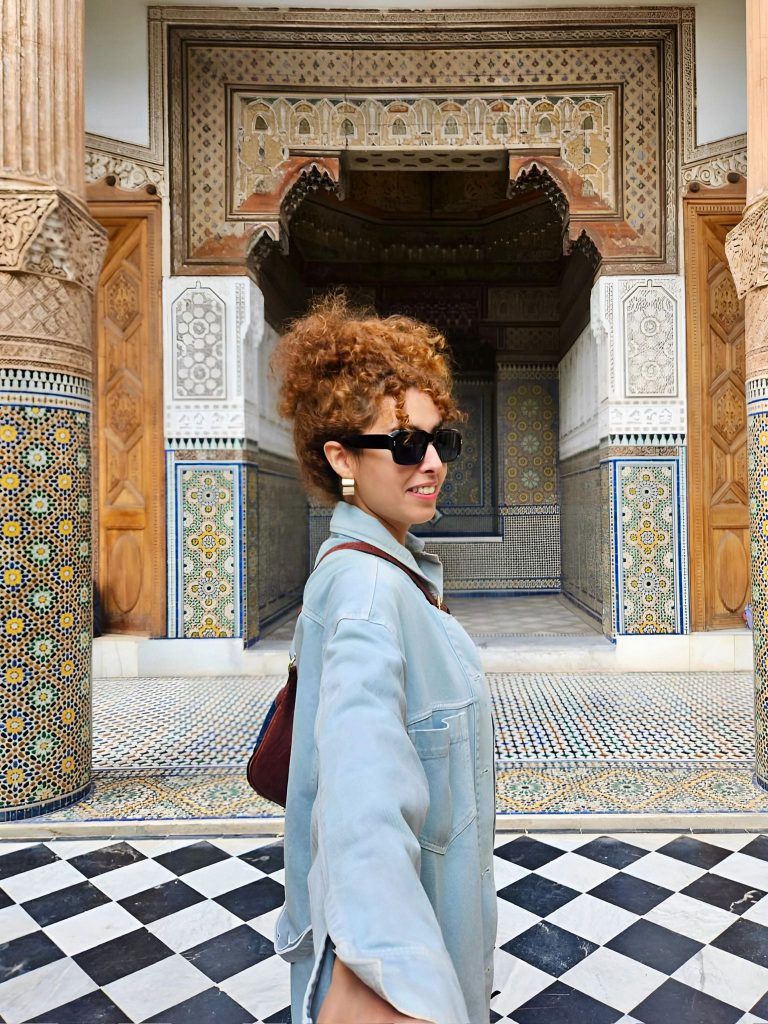
I still remember standing at Casablanca airport, passport in hand, ready to explain my trip. The officer smiled, stamped my passport, and said “Welcome.” No visa application, no endless paperwork, just entry into a country that opens its doors wide. For most people planning to travel to Morocco, that’s exactly how it works.
Understanding visa requirements might sound bureaucratic, but it’s actually simple. The process lets you focus on what matters: planning your days wandering through medinas, sipping mint tea in riads, and watching the sun set over the Sahara. This Morocco travel guide walks you through everything you need to know about entry requirements, so you can pack your bags with confidence.
What Are the Visa Requirements for Morocco?
Morocco welcomes travelers with open arms. If you’re from the United States, United Kingdom, European Union, Canada, Australia, or New Zealand, you don’t need a visa for stays up to 90 days. You can simply arrive and start exploring Moroccan cities like Marrakech, Fes, and Essaouira without advance paperwork.
This generous policy makes Morocco tourism accessible and stress-free. You have three full months to discover kasbahs, wander souks, and lose yourself in the country’s layered beauty. The best time to visit Morocco varies by region, spring and fall offer mild weather perfect for exploring both coast and desert.
For travelers who do need a visa, the application process is straightforward. You can apply electronically or through your nearest Moroccan embassy or consulate. Your passport needs at least 3-6 months validity beyond your travel dates, plus blank pages for entry stamps.
Required Documents for E-Visas
- Valid passport with at least 3 months remaining validity
- Recent passport-sized photograph
- Confirmed email address for correspondence
- Credit or debit card for visa fees (varies by nationality and visa type)
Required Documents for Embassy Visas
- Valid passport with at least 6 months validity beyond your planned stay
- Recent passport-sized photograph meeting specified requirements
- Detailed travel plans, including confirmed return flights
- Proof of sufficient funds, typically recent bank statements
- Confirmed accommodation reservations throughout your stay
Your accommodation proof shows your Morocco itinerary and plans within the country. This could include hotel bookings, rental agreements, or an invitation letter from a Moroccan host. Some travelers choose unique stays that blend traditional craftsmanship with modern comfort, like the thoughtfully curated spaces offered by She&Elle of Morocco.
Gathering these documents ensures a smooth visa process. Then you can focus on the real preparation: imagining yourself in blue-washed Chefchaouen, haggling for spices in centuries-old markets, or watching artisans weave Berber rugs with ancestral techniques.
How Long Can You Stay When You Visit Morocco?
Morocco’s 90-day visa-free period is generous. Three months gives you time to experience the country beyond surface tourism. You could spend weeks in the Atlas Mountains, explore coastal towns at a slow pace, or build a Morocco itinerary that includes volunteering or longer cultural immersion.
Planning to stay longer? You’ll need to apply for an extension at a local Moroccan police station before your initial 90 days expire. Start this process early to avoid complications. Moroccan authorities take overstays seriously, and leaving without proper documentation can create problems for future travel.
One crucial step: make sure your passport gets stamped when you arrive. This stamp proves your legal entry and makes departure smooth. Border officers are usually efficient, but double-check your passport before leaving the airport or port. This small detail prevents headaches later.
Different Types of Moroccan Visas
For travelers needing visas beyond tourist exemptions, Morocco offers several options tailored to your visit’s purpose.
Tourist visas accommodate short-term stays up to 90 days. This visa works for anyone wanting to visit Morocco to experience its blend of history, culture, and natural beauty, from the Roman ruins of Volubilis to the windswept beaches of Taghazout.
Business visas are designed for professionals attending meetings, conferences, or commercial activities. These ensure you’re compliant with Moroccan regulations while conducting business in this growing economy.
If you’re planning to work in Morocco, you must secure a work visa before arrival. This permits lawful employment under Moroccan law and typically requires a job offer from a Moroccan employer.
Specialized Visa Categories
Student visas serve individuals enrolling in Moroccan educational institutions. The application requires proof of enrollment and academic documents, allowing students to focus on their studies in Morocco’s enriching academic environment.
Family visas help people join family members living in Morocco. This visa requires documentation proving familial connections and the host’s residency status. It supports family reunification while respecting Moroccan immigration policies.
Visa Exemptions
Many nationalities benefit from Morocco’s visa exemption policy. The United States, United Kingdom, European Union member states, Canada, Australia, New Zealand, and many others can enter without advance visas. This open-door approach reflects Morocco’s commitment to welcoming travelers and supporting its vibrant tourism sector.
Before you travel to Morocco, verify your specific country’s requirements through the Moroccan embassy or consulate website. Regulations occasionally change, and confirming details prevents surprises at the airport.
With your visa situation sorted, you’re free to dream about the real Morocco: the call to prayer echoing over terracotta rooftops, the scent of orange blossom in spring courtyards, the warmth of Moroccan hospitality that turns strangers into friends. Start planning your journey, and let Morocco’s magic unfold.