
Moroccan Mint Tea Ritual: The New Hygge for Your Home
Close your eyes. Imagine the sound of tea pouring from a silver teapot held high, the liquid catching light as it falls into delicate glasses. The scent of fresh mint rising with the steam. Voices layered over one another, laughter, the clink of glass on brass. This is how connection feels in Morocco. This is atay.
I grew up watching my mother pour mint tea with the same reverence some people reserve for ceremony. Three pours, three stages of life, each one sweeter than the last. It wasn’t just about the tea itself. It was about what the tea held: time, attention, the unspoken promise that you matter enough to slow down for.
When I moved to Scandinavia, I carried this ritual with me. And something unexpected happened. I found hygge, that Danish concept of cozy togetherness, and I recognized it immediately. It was atay in a different language. Same warmth, same intention, same understanding that the most meaningful moments happen when we create space for them.
What Makes Moroccan Mint Tea More Than Just a Drink?
Mint tea isn’t a beverage in Morocco. It’s an unspoken language of hospitality, a symbol of togetherness, a ritual that invites you to slow down and savor the moment. It’s the first thing you’re offered when you enter a home, the companion to conversations that stretch late into the night. It embodies generosity, patience, and the deep connections that are fundamental to Moroccan culture.
The preparation itself is intentional. Boiling water becomes the foundation. Chinese gunpowder green tea provides the base, earthy and robust. Fresh spearmint, the kind that grows in courtyard gardens, lends its cooling aroma. Sugar sweetens not just the tea but the interaction itself. Then comes the pour, held high to create that signature froth, served three times because hospitality deserves repetition.
This meticulous process, this performance of care, mirrors the same values I see in Scandinavian living. Both cultures understand that simplicity doesn’t mean empty. It means intentional. It means choosing what matters and honoring it fully.
How Moroccan and Scandinavian Design Share the Same Soul
People assume Moroccan design is maximalist. Scandinavian is minimalist. But I’ve lived in both worlds, and I can tell you: they’re speaking the same language, just with different accents.
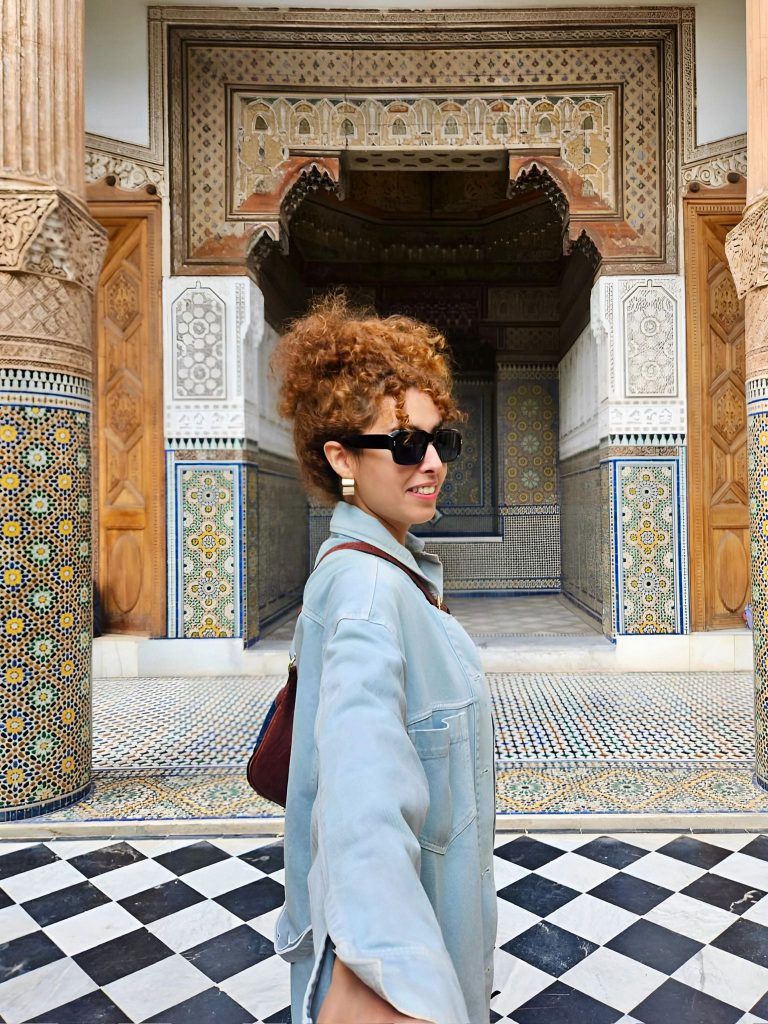
True minimalism, whether in Scandinavia or Morocco, isn’t about removing things. It’s about conscious curation. Keeping what serves a purpose, what tells a story, what makes you feel something. Moroccan interiors might be rich in color and texture, but every element belongs. Every zellige tile, every carved wood detail, every woven textile contributes to a space that feels both beautiful and deeply connected to the people who live there.
When I bring these two aesthetics together, I’m not forcing a fusion. I’m revealing what was already there: a shared respect for authenticity, craftsmanship, and creating spaces that feel like home.
Creating Connection Through Moroccan Food and Shared Tables
In Morocco, meals are never solitary. Food is the anchor for gathering, the excuse to linger, the reason to come together. Traditional Moroccan recipes like lamb tagine simmered with preserved lemons and olives, or vegetable couscous piled high with seasonal vegetables, aren’t just about sustenance. They’re about the people gathered around the table, sharing from communal platters, dipping bread into rich sauces together.
This mirrors the Scandinavian emphasis on creating warm, inviting atmospheres where connection takes priority. [INTERNAL_LINK: Moroccan cuisine traditions -> Moroccan Hospitality and Food Culture] Both cultures understand that the best meals aren’t about perfection. They’re about presence.
Here’s how to bring this spirit into your home:
Anchor the space with a Moroccan rug: A carefully chosen rug, soft underfoot, adds warmth and visual richness, grounding the space and inviting people to gather. [INTERNAL_LINK: handwoven Beni Ourain rugs -> Choosing Your First Moroccan Rug]
Prioritize comfortable seating: Low, plush floor cushions or built-in banquettes around a central table encourage relaxed, intimate settings. When you’re comfortable, you stay longer. When you stay longer, real connection happens.
Incorporate handcrafted ceramics: Choose unique, textured plates and bowls that celebrate the artisan’s touch. In Morocco, we serve Moroccan food on hand-painted ceramics from Fes or Safi, each piece slightly different, each one carrying the maker’s fingerprints. This isn’t about perfection. It’s about humanity.
Let the meal unfold slowly: A proper tagine recipe can’t be rushed. The spices need time to bloom, the meat needs hours to become tender, the flavors need space to deepen. [INTERNAL_LINK: slow-cooked Moroccan tagine -> Mastering the Art of Tagine Cooking] The same patience that goes into Moroccan cooking should extend to how you share it. No hurried eating. No phones. Just presence.
How to Balance Moroccan Vibrancy with Nordic Calm
Blending Moroccan richness with Scandinavian simplicity isn’t about choosing sides. It’s about creating a dynamic conversation between two aesthetics that respect each other.
Start with a neutral Scandinavian base: white walls, light wood furniture, clean lines. This becomes your canvas. Then introduce Moroccan elements not as decoration but as intention. A vintage rug in deep indigo. Moroccan spices displayed in glass jars, their colors alone becoming art. Brass lanterns that catch and multiply candlelight.
Lighting: Layer your light sources. Soft, ambient glow from pierced metal lanterns creates warmth and shadow, while functional Scandinavian pendant lights provide clarity when needed. Both serve a purpose. Neither overwhelms.
Color Palette: Use a foundation of soft whites, grays, or pale woods. Then introduce warmth through earthy terracottas, deep blues, saffron yellows. Think of how Moroccan sunsets look against whitewashed walls. That’s your palette.
Textures and Patterns: A sleek, minimal Scandinavian sofa becomes richer when you add Moroccan textiles. Handwoven blankets, embroidered cushions, kilim pillows. The geometric patterns common to both cultures create visual interest without chaos. [INTERNAL_LINK: mixing Moroccan textiles with minimalist furniture -> Styling Guide: Moroccan Textiles in Modern Homes]
Why This Fusion Feels Like Coming Home
When I first started She&Elle of Morocco, people would ask which culture I was representing. Moroccan or Scandinavian? As if I had to choose. As if the two couldn’t coexist.
But that’s exactly what I am. Both. And the magic happens in the space between, where mint tea meets hygge, where intricate craftsmanship meets intentional simplicity, where the warmth of Moroccan hospitality finds its echo in Nordic coziness.
This isn’t fusion for the sake of trend. This is fusion born from lived experience, from carrying one culture into another and discovering they were never as far apart as geography suggested. Both honor the handmade. Both value the ritual of gathering. Both understand that home isn’t just where you live but how you live.
So next time you brew mint tea, try this: pour it slowly, from a height if you can manage. Serve it in your favorite glasses, the ones that feel good in your hands. Invite someone to sit with you, no agenda, just presence. Whether you’re in Marrakech or Copenhagen, that moment, that connection, that warmth, it’s the same.
That’s the new hygge. And it’s been here all along.

Hey , after a half hour surfing on your website you make me happy and proud of being from morocco. that was realy interesting. Keep going up and good Luck.