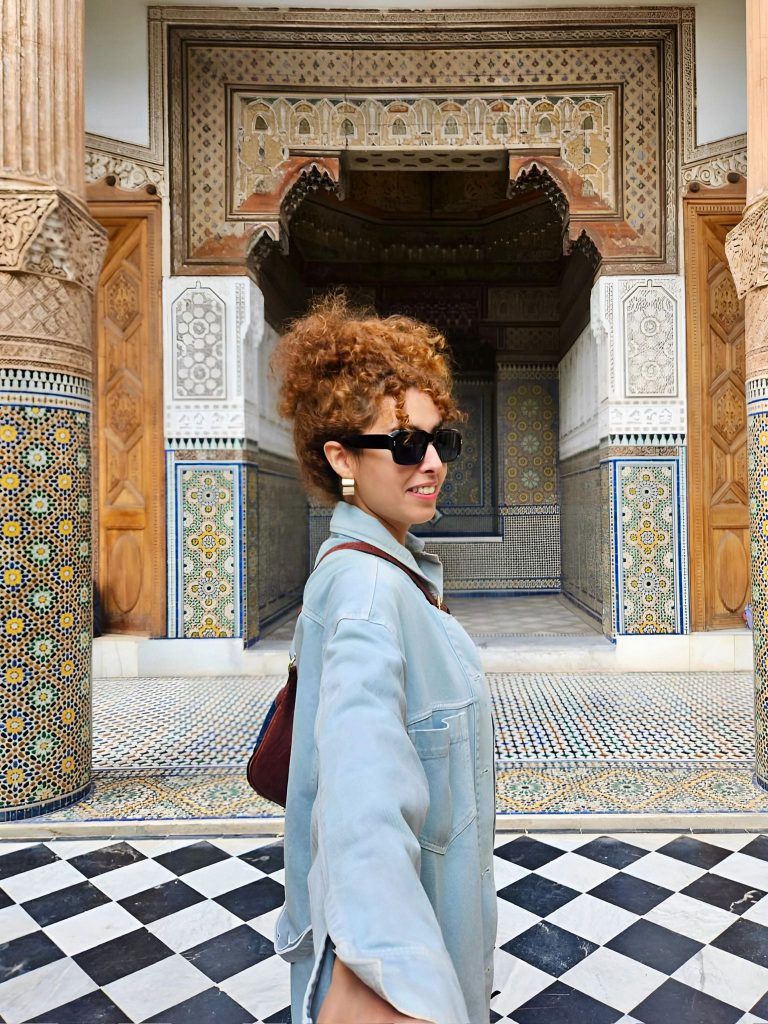
I still remember my first morning in Rabat. The smell of fresh mint tea drifting from a café terrace, the Atlantic breeze carrying salt and jasmine, the way the light hit the Hassan Tower’s honey-colored stone. Rabat isn’t Marrakech’s chaos or Fez’s maze. It’s something quieter, more intimate. A city where history and modernity breathe together, where you can wander the capital of Morocco and feel like you’ve found a secret.
If you’re planning to travel Morocco, Rabat deserves more than a day trip. This Morocco travel guide will help you understand when to visit, what to see, and why this understated city might just become your favorite stop on any Morocco itinerary.
Why Visit Morocco’s Capital City?
Rabat is a city of dualities. Walk through the 12th-century Hassan Tower, a striking minaret that stands as a testament to Morocco’s Almohad dynasty. Then cross the river to the Bouregreg Marina, where sleek architecture and waterfront cafes speak to Morocco tourism’s modern evolution. This balance between old and new is what makes Rabat essential for anyone wanting to understand Morocco beyond the postcard images.
[INTERNAL_LINK: exploring Moroccan cities → “A Guide to Morocco’s Imperial Cities”]
The Kasbah of the Udayas, a UNESCO World Heritage Site, offers something rare in Moroccan cities: tranquility. Its white-and-blue painted walls overlook the Atlantic, its narrow streets feel frozen in time. I’ve spent whole afternoons there, just sitting on the terrace with mint tea, watching the ocean. No agenda. Just presence.
Design Inspiration from Rabat’s Understated Elegance
For those of us who love design, Rabat speaks a different visual language than other parts of Morocco. Where Marrakech shouts in crimson and gold, Rabat whispers in soft whites, earthy beiges, and muted blues. The aesthetic here leans toward restraint. Clean lines. Subtle textures. It’s why Rabat feels so aligned with the Moroccan-Scandinavian fusion we celebrate at She&Elle.
Imagine bringing this into your home. Soft neutral walls inspired by the Kasbah. A handwoven Beni Ourain rug anchoring your living room. Geometric patterns that echo the Hassan Tower’s intricate stonework. [INTERNAL_LINK: handwoven Moroccan rugs → “How to Choose an Authentic Berber Rug”] This is the Rabat aesthetic: timeless, grounded, quietly powerful.
Our artisan-made rugs carry this same philosophy. Each piece is woven by women who understand that beauty doesn’t need to shout.
What to Eat When You Visit Morocco’s Capital
Rabat’s culinary scene mirrors its personality: sophisticated but approachable. Start your morning at a local bakery with fresh msemen (Moroccan pancakes) and mint tea. For lunch, wander into the medina and try tagine mrouzia, a sweet-savory lamb dish layered with honey, almonds, and cinnamon. The kind of meal that makes you slow down, savor, remember why you came.
The coastal restaurants offer something special too. Grilled fish so fresh it was swimming that morning. Seafood pastilla that flakes apart under your fork. Oysters from the Atlantic, served with nothing but lemon. This is where Rabat’s location shines. You get the depth of Moroccan tradition with the freshness of ocean life.
Rabat’s Commitment to Sustainable Living
Rabat isn’t just beautiful. It’s intentional. As one of Morocco’s green cities, the capital has invested in eco-friendly infrastructure, well-maintained parks, and clean public transportation. The Jardins Exotiques de Bouknadel, just outside the city, showcase rare plants from around the world. It’s a reminder that preservation and progress can coexist.
This commitment to sustainability aligns with everything we do at She&Elle of Morocco. Just as Rabat honors its cultural and natural heritage, we support ethical design through our handcrafted rugs. [INTERNAL_LINK: sustainable artisan practices → “Meet the Women Who Weave Our Rugs”] Each piece is a step toward a greener, more conscious future.
Best Time to Visit Morocco: When to Go to Rabat
Here’s the practical answer: spring (March to May) and autumn (September to November) are ideal. Temperatures hover between 20°C and 25°C (68°F to 77°F), perfect for walking the medina or sitting by the ocean. The Atlantic breeze keeps everything fresh, even in summer.
Summer (June to August) works too, especially if you’re staying near the coast. The ocean tempers the heat. Winter (December to February) is mild compared to northern Europe, rarely dropping below 10°C (50°F). Rain is possible, but it’s brief. Morocco’s capital remains welcoming year-round.
If you’re building a Morocco travel guide itinerary, plan 2-3 days in Rabat. Enough time to explore without rushing, to sit in a café and watch the city unfold, to understand why this calm, elegant capital deserves more attention than it gets.
Why Rabat Matters
Rabat isn’t trying to compete with other Moroccan cities. It doesn’t need to. It offers something different: space to breathe, depth without overwhelm, beauty that reveals itself slowly. For travelers who want to visit Morocco beyond the usual routes, Rabat is where you find the country’s quieter soul.
And for those of us navigating between cultures, between Morocco and Scandinavia, between tradition and modernity, Rabat feels like home. It’s a city that understands fusion isn’t about dilution. It’s about honoring both roots and growth.
Whether you’re planning your first trip to travel Morocco or returning for the tenth time, make space for Rabat. Let it surprise you.