
I remember the first time I walked into Fez el-Bali, the ancient medina that breathes like a living thing. The air thick with saffron and leather, narrow streets twisting into shadow, the sound of hammers on copper ringing through stone walls. This is Fez, Morocco’s cultural and spiritual capital, a city where centuries collapse into a single moment.
When you visit Morocco, Fez isn’t just a destination. It’s an immersion into everything that makes this country extraordinary: artisanal mastery, architectural poetry, and traditions that have survived since the 9th century. Whether you’re planning your first Morocco travel itinerary or you’re a seasoned wanderer, Fez offers layers of discovery that never stop revealing themselves.
What Makes Fez the Cultural Heart of Morocco?
Fez is Morocco’s oldest imperial city and home to the world’s largest car-free urban area, the UNESCO-listed Fez el-Bali medina. Founded in 789 AD, this ancient labyrinth of over 9,000 narrow alleyways has been a hub for scholars, artisans, and merchants for over twelve centuries. It earned its reputation as the “Athens of Africa” for good reason.
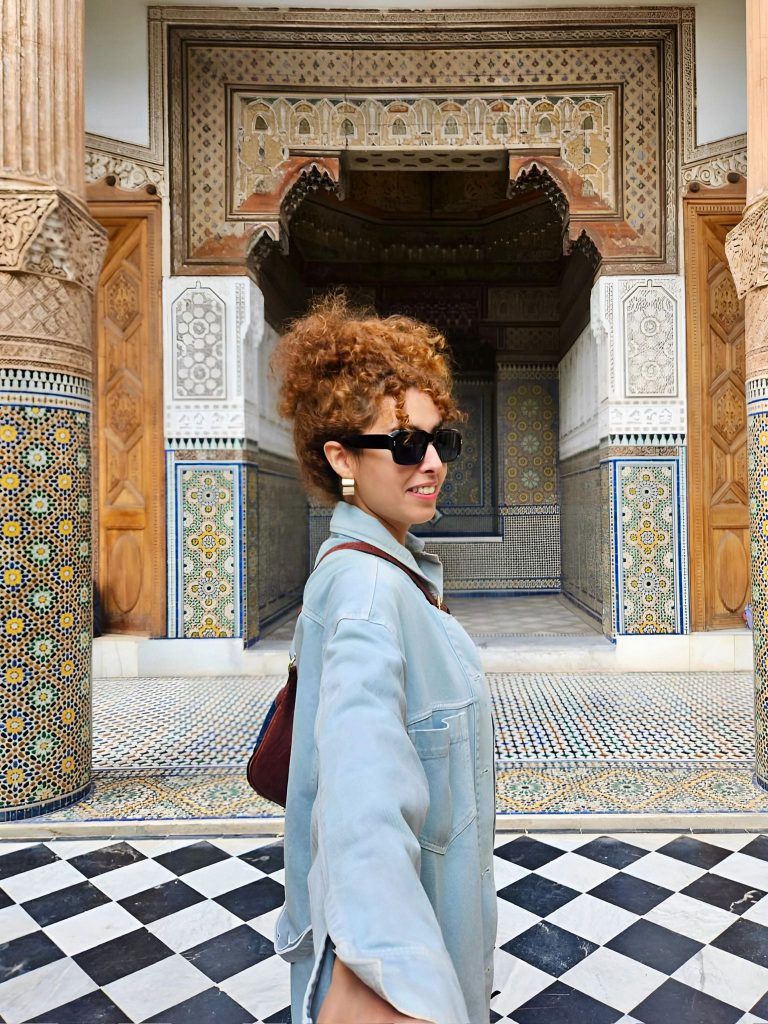
The medina itself is a living museum. Every corner tells a story through intricate zellige tilework, carved cedarwood doors weathered by generations, and colors that shift with the light. The aroma of freshly tanned leather drifts from the famous Chouara Tannery, while the rhythmic clinking of metal echoes from the artisan quarters where coppersmiths work exactly as their great-grandfathers did.
Walking through Fez feels like stepping into a palimpsest, layers of history written over each other but never erased. [INTERNAL_LINK: Morocco’s imperial cities → moroccan cities history and travel comparison]
Where Should You Visit in Fez Medina?
The Bou Inania Madrasa, built in 1355, is one of the most important landmarks in any Morocco travel guide. This 14th-century religious school is a masterpiece of Marinid architecture, with water clocks, intricate wood carvings, and tilework so precise it looks like frozen lace. The peaceful courtyard feels like an oasis tucked inside the medina’s chaos.
The Dar Batha Museum showcases traditional Moroccan arts and crafts, offering visitors a curated journey through the city’s creative heritage. Here you’ll find antique ceramics, embroidered textiles, and carved woodwork that reveal the aesthetic DNA of Moroccan design.
But don’t just follow the guidebook. Some of the best moments in Fez happen when you get lost. When you stumble into a quiet square where old men play cards, or when a door opens and you catch a glimpse of a hidden garden, mint growing wild against blue-painted walls.
The Chouara Tannery: Ancient Craft in Action
The Chouara Tannery, one of the oldest leather tanneries in the world, continues to use natural processes unchanged since medieval times. Hides are soaked in pigeon droppings, lime, and water, then dyed in stone vessels using natural pigments: poppy for red, indigo for blue, saffron for yellow. It’s intense work, and the smell hits you before you see the rainbow of vats stretching below the viewing terraces.
This isn’t a museum piece. It’s a working tannery where sustainability isn’t a trend but a tradition that’s lasted over 1,000 years.
How Does Fez Influence Moroccan Design?
Fez’s aesthetic is a study in restraint and richness coexisting. The geometric patterns of zellige tiles, combined with earthy terracotta, natural wool, and cedarwood, create a visual language that translates beautifully into modern interiors. This is why so many designers look to Moroccan cities like Fez when they want depth without clutter.
For those of us bridging Moroccan warmth with Scandinavian minimalism, Fez offers endless inspiration. The way light moves across carved stucco. The balance between pattern and breathing room. The commitment to natural materials that age with grace. [INTERNAL_LINK: Moroccan-Scandinavian fusion design → bringing moroccan textiles into nordic interiors]
At She&Elle of Morocco, we honor this legacy through our ethically made rugs, woven by women artisans using techniques passed down through generations. Each rug tells a story, just like the streets of Fez.
What is Fez’s Role in Moroccan Artisan Traditions?
The handwoven rugs and textiles of Fez are among the finest in Morocco. Women artisans spin wool by hand, dye it with natural pigments from plants and minerals like pomegranate rind and wild mint, then weave patterns that carry meaning: protection, fertility, the journey between worlds.
This isn’t fast production. A single rug can take weeks or months. Every knot is intentional. Every color choice deliberate. When you bring a Fez-inspired textile into your home, you’re not just decorating. You’re holding a piece of cultural continuity.
When is the Best Time to Visit Morocco and Fez?
The best time to visit Morocco, especially Fez, is during spring (March to May) or fall (September to November). The weather is mild, the medina isn’t overwhelmingly hot, and the light is golden. Summer in Fez can reach 40°C (104°F), while winter brings chilly nights and occasional rain.
If you’re planning a Morocco itinerary, consider timing your visit around the Fez Festival of World Sacred Music in June. This annual celebration draws musicians and spiritual seekers from around the globe, creating a space where tradition and diversity meet.
Why Visit the University of Al Quaraouiyine?
The University of Al Quaraouiyine, founded in 859 AD by Fatima al-Fihri, is the oldest continually operating university in the world according to UNESCO and Guinness World Records. This isn’t just an academic footnote. It’s a testament to Morocco’s intellectual and spiritual legacy, and to the women who shaped it.
Nearby, the Al-Attarine Madrasa (built 1323-1325) showcases the pinnacle of Moroccan artistry with its intricate stucco, hand-carved cedarwood, and tile mosaics that seem to shift and breathe.
What Should You Eat in Fez?
Morocco tourism isn’t complete without tasting Fez’s culinary traditions. The medina’s food stalls offer a sensory journey: fragrant lamb tagines slow-cooked with prunes and almonds, msemen (flaky flatbread) drizzled with honey, sweet pastries like chebakia twisted into rose shapes and soaked in orange blossom syrup.
Don’t leave without trying pastilla, Fez’s signature dish. This savory-sweet pie layers spiced pigeon or chicken with almonds, eggs, and cinnamon, all wrapped in delicate warqa pastry dusted with powdered sugar. It’s the kind of dish that shouldn’t work but does, perfectly. [INTERNAL_LINK: Moroccan food traditions → authentic moroccan recipes and cultural context]
How to Experience Fez Like a Local
The best Morocco travel guide is often no guide at all. Wander without a map. Accept mint tea when it’s offered. Sit in a neighborhood hammam where locals gather, not tourists. Notice the small things: the way bread is passed hand to hand from the baker, the call to prayer echoing off a thousand walls, the quiet pride in a craftsman’s hands as he shows you his work.
Fez doesn’t perform for visitors. It simply exists, layered and complex and unapologetically itself. And if you let it, the city will teach you something about beauty that can’t be rushed or replicated.
This is Morocco. This is Fez. And this is why we keep coming back.

1 thought on “Fez Morocco Travel Guide: Ancient Medina & Cultural Heart”
Comments are closed.